- Forces
- 2 flutes (II doubling piccolo), 2 oboes (II doubling cor anglais), 2 clarinets in B♭, 2 bassoons (II doubling contrabassoon), 4 horns, 3 trumpets in B♭, 2 trombones, bass trombone, tuba, timpani, percussion (2), strings
- Difficulty
- Advanced. Within reach of a strong amateur orchestra
- Status
- Available
- Materials
- Conductor's score on A3 (or Tabloid) · parts on A4 (or Letter) · playback render
Programme note
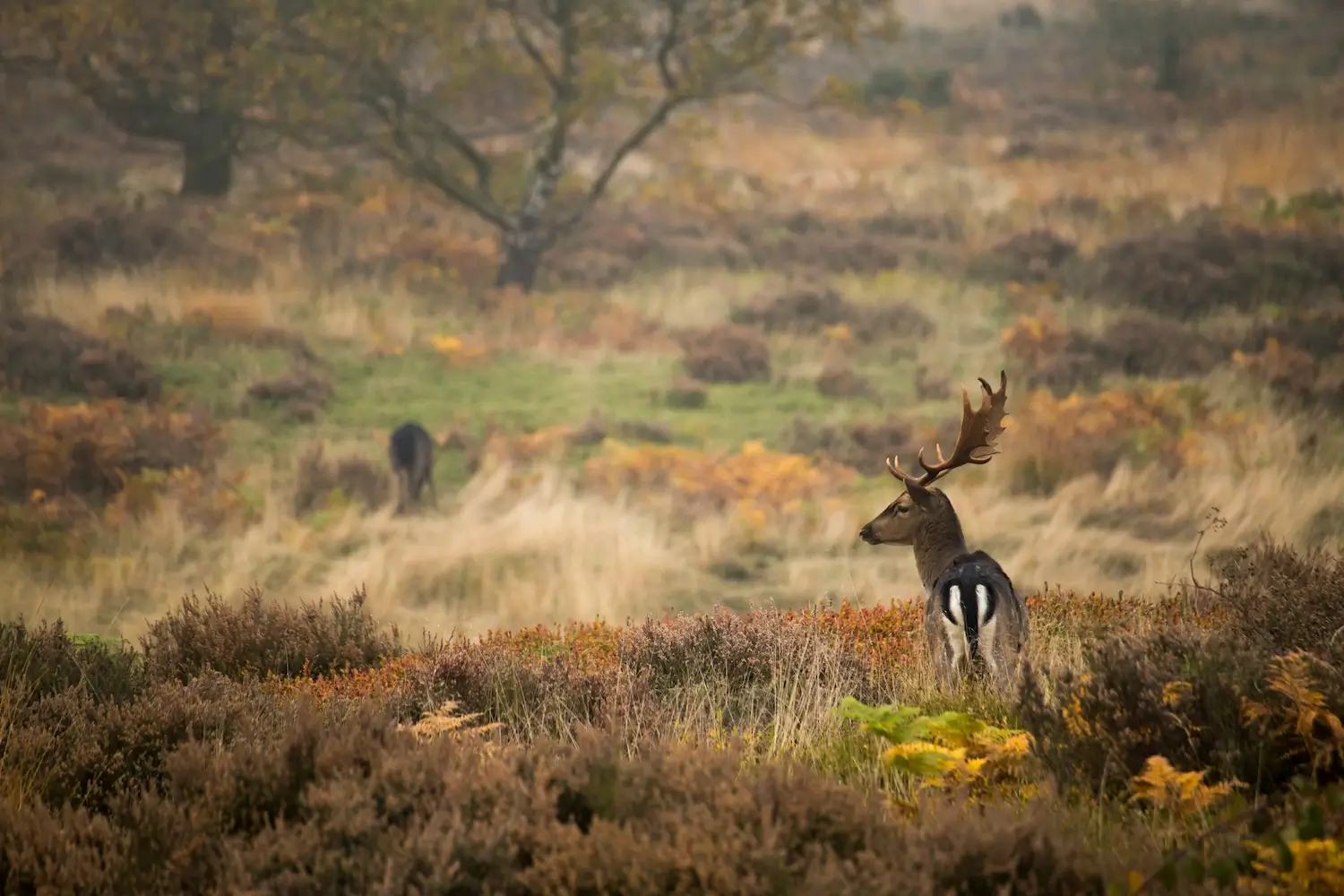
I. The Woodlands
Cannock Chase, the Churnet Valley, the National ForestThe suite begins without a clear pulse: low strings in bare harmonics, violins on the fingerboard, and the first bird calls emerging from the woodwind out of nothing. Light gathers; a muted horn offers the chorale's opening phrase and receives no reply; a slow march establishes itself, and at its centre comes the broad theme of the wild deer.
The horn tries the chorale again, and this time something answers. The march breaks off, the beat changes from four to six, and the movement becomes a chase. What answers is a hunting call: the deer's own theme turned upside down, falling where the deer climbs, and hidden in the middle of it are the same six notes the muted horn had played into silence.
The call will not change key. Whatever the orchestra does around it, it comes back in G on the same eleven notes, while the chase climbs away from it in minor thirds until the two grind against each other. Stopped horns call from a distance and are answered from further off. The deer's theme is heard low and alone: it has heard them. Then the quietest passage in the movement, and the most dangerous — the strings strike the string with the wood of the bow, a single horn calls, and nothing replies. The birds of the opening come back at speed and at the top of the orchestra, four calls at once and each in a different key, which is the sound of a forest emptying. The calls close in until they are a beat apart, the four keys of the chase are hammered out together as one chord, and everything stops.
The deer gets away. Its theme is heard high, quiet and quite unaccompanied for the first time in the movement, and it has escaped into D minor. The gallop dies out beneath it, the beat returns to four, and the music returns to the stillness it came from and ends unresolved.
II. The Waters
Blithfield and Tittesworth reservoirsBoth reservoirs are drowned valleys: farms, lanes and whole habitats lie under them. A slow current runs through the whole movement in the low strings and never settles, because the parts are deliberately never quite together: the figures realign with the barline only every seventh bar, under a theme that is nine bars long. The cor anglais sings the theme; every return of it is re-scored and re-harmonised rather than developed. The music reaches for one note it cannot pass, three times over, and when it finally breaks through at the climax the chord underneath is in the wrong key; a major chord where the ear has spent eight minutes waiting for the minor. Nothing is resolved by it, and the movement withdraws to an ending quieter than its opening.
III. The Towns
Stone, Uttoxeter, Eccleshall, AlrewasA bustling and faintly clumsy scherzo: phrases that run on a bar too long, cadences that arrive too early, an accompaniment that will not stay still. A solo bassoon stops proceedings altogether to say something very expressive and quite uncalled for, and then repeats its best note two octaves lower. At the heart of the movement is the bandstand; a slow trio for brass alone, imitating a village band, where the cathedral tune is played straight and beautifully for eight bars before the scherzo crashes back over it, faster and more manic than before, and accelerates as far as the conductor dares.
IV. The Moorlands
The Roaches, Ramshaw Rocks, Axe EdgeEverything in this movement comes from one five-note figure: two steps up, a leap for the view, and then a slip back by a semitone. The double basses have it alone at the start and never leave it; the music grows not by getting louder but by accumulating players around that figure, while the contrabassoon holds a single note for forty-eight bars. At the summit the ground falls away, high strings dissolve into tremolo, woodwind fly free above them, and the movement then loses its instruments from the bottom upwards until a single held harmonic is all that remains. The cathedral's tenor bell is heard tolling before the movement is over, and the harmonic carries over the barline into the finale without a break.
V. The Cathedral
Lichfield CathedralThe finale opens with Lichfield's own ten bells, rung in the woodwind: real ringing, at real ringing speed, two courses of rounds and then a complete lead of Grandsire Caters, the method genuinely rung in that tower. Beneath the peal the deer theme from the first movement returns in the brass, slowed to a little over half speed and thickening a phrase at a time. The bells stand; the tenor's last stroke hums on in the clarinets; and three trombones (three spires, three voices) state the chorale alone for the first time. Then the war interrupts. The chorale is turned upside down, driven through the orchestra as an assault figure, and finally stated in the wrong mode, at full weight, in three parts, where the middle voice collapses and stops. Two voices are left holding a bare fifth in the ruins. From there the music reassembles, section by section until the chorale is sung whole and in its own key by the full orchestra.
Buy or hire direct
Buy the score and parts outright, or hire them for a performance, straight from me. Tell me your ensemble and date and I'll come back with a price.
Ask for a priceSimilar works
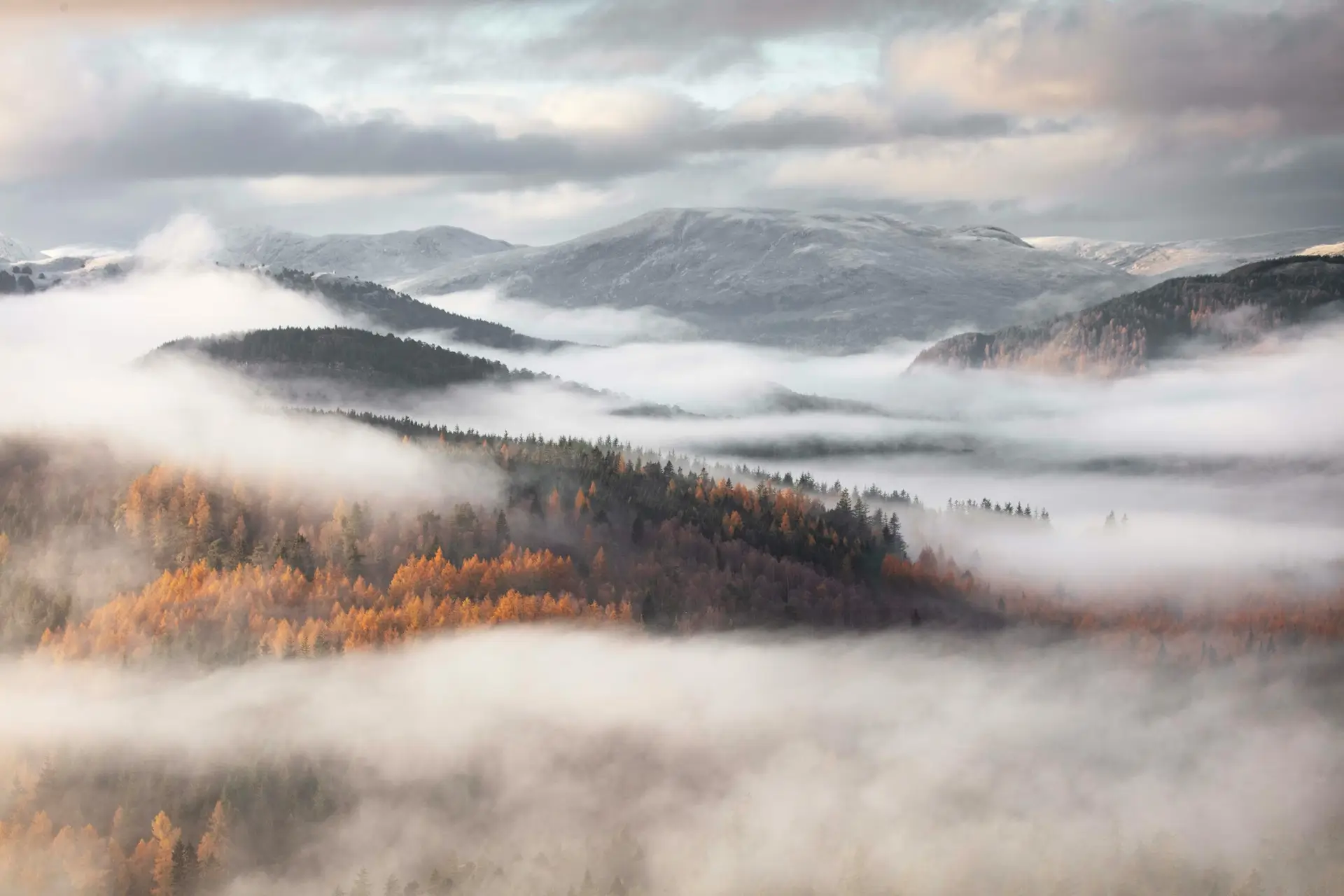
Chì mi na mòrbheanna
Traditional, arr. Adam Wayne Orchestral · 2'00An arrangement of the traditional Gaelic melody for symphony orchestra
Stranger Things: Main Titles Theme
Dixon, Stein, arr. Adam Wayne Orchestral · 2'25Arranged in symphonic style for full orchestra

The Little Drummer Boy
Davis, Onorati, Simeone, arr. Adam Wayne Orchestral · 4'55Arranged for symphony orchestra in the style of Ravel's 'Boléro'