Music for screen, games, and tabletop
Themes, cues, and atmosphere, written to picture or to brief and delivered as audio you can use, with stems if you need them.
Recent tracks
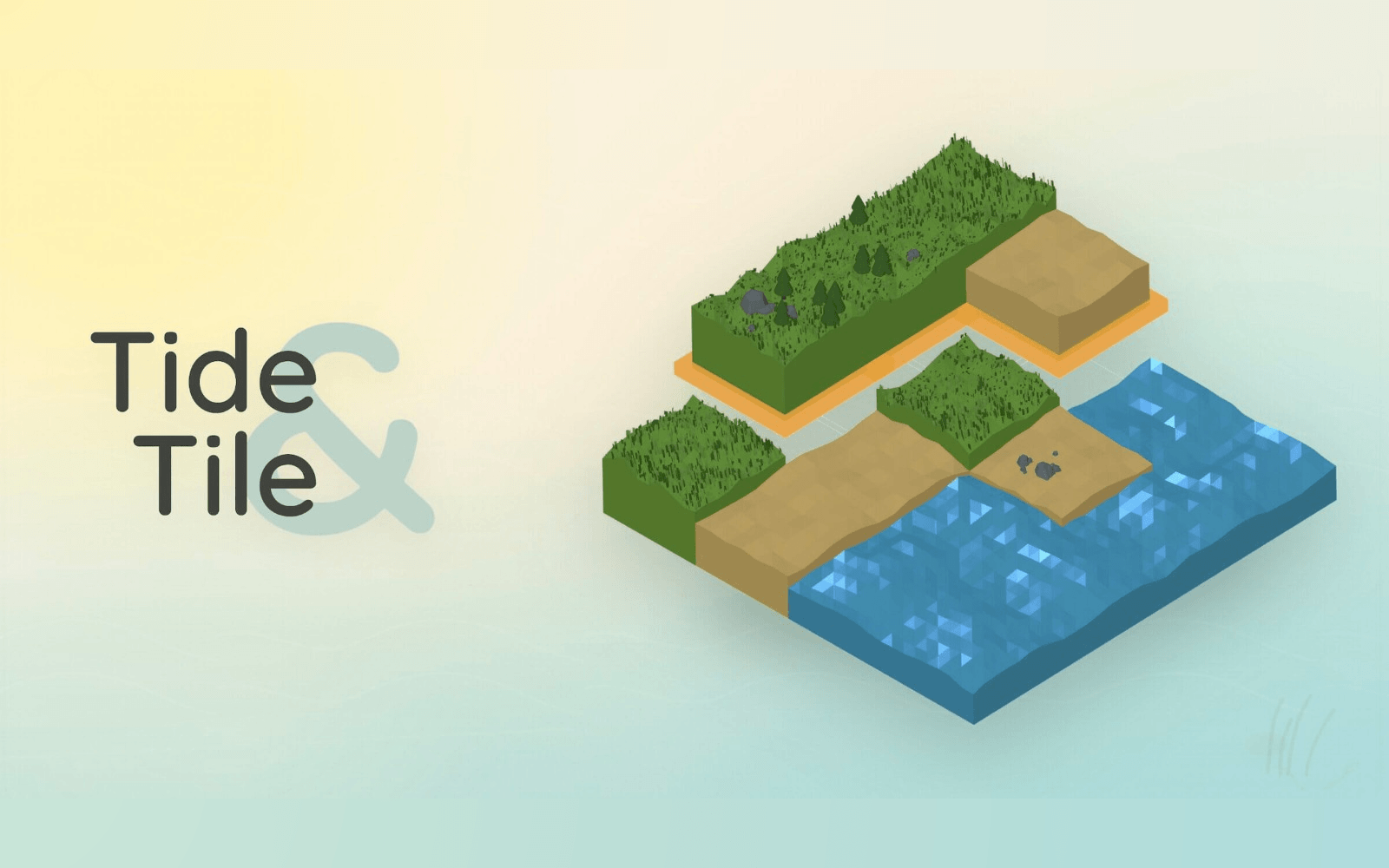
Tide & Tile
A calm, looping score for a browser puzzle game, built on a single wave-like motif for flute, harp, celesta and soft synths.
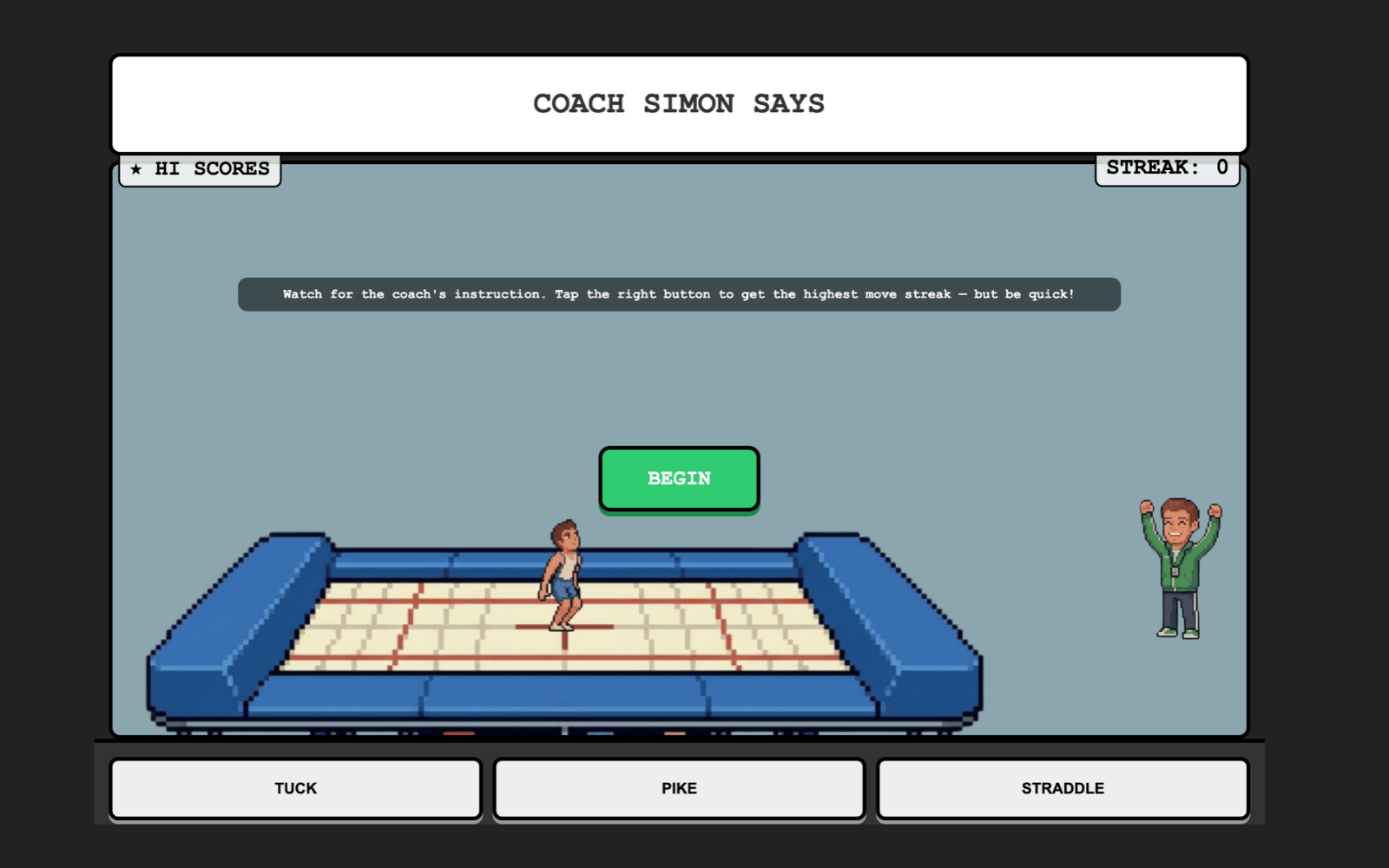
Coach Simon Says
Music for Coach Simon Says, a trampolining game on TrampOnline.org
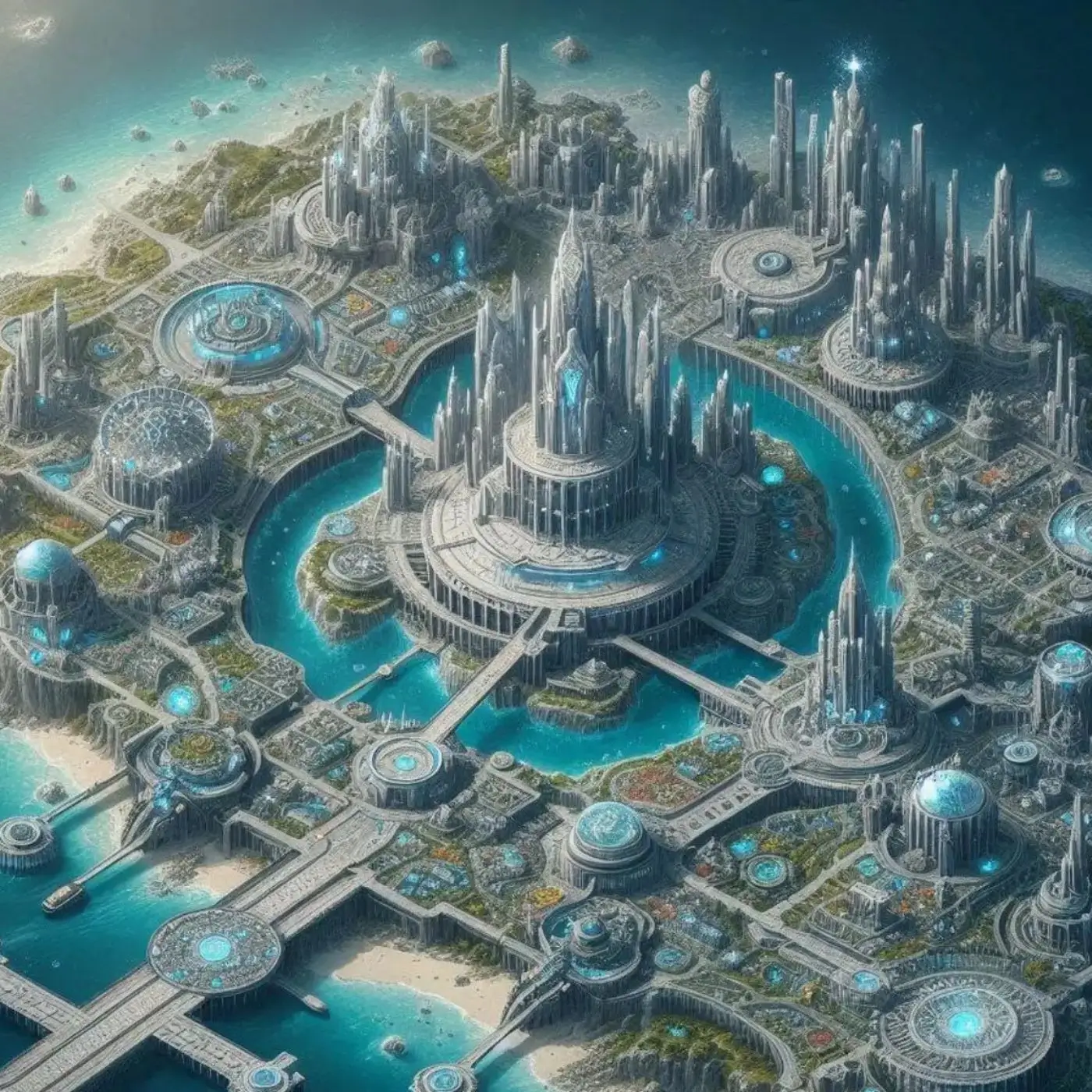
Chronicles of Solara
36'00Background music and ambient tracks tailored for tabletop RPGs
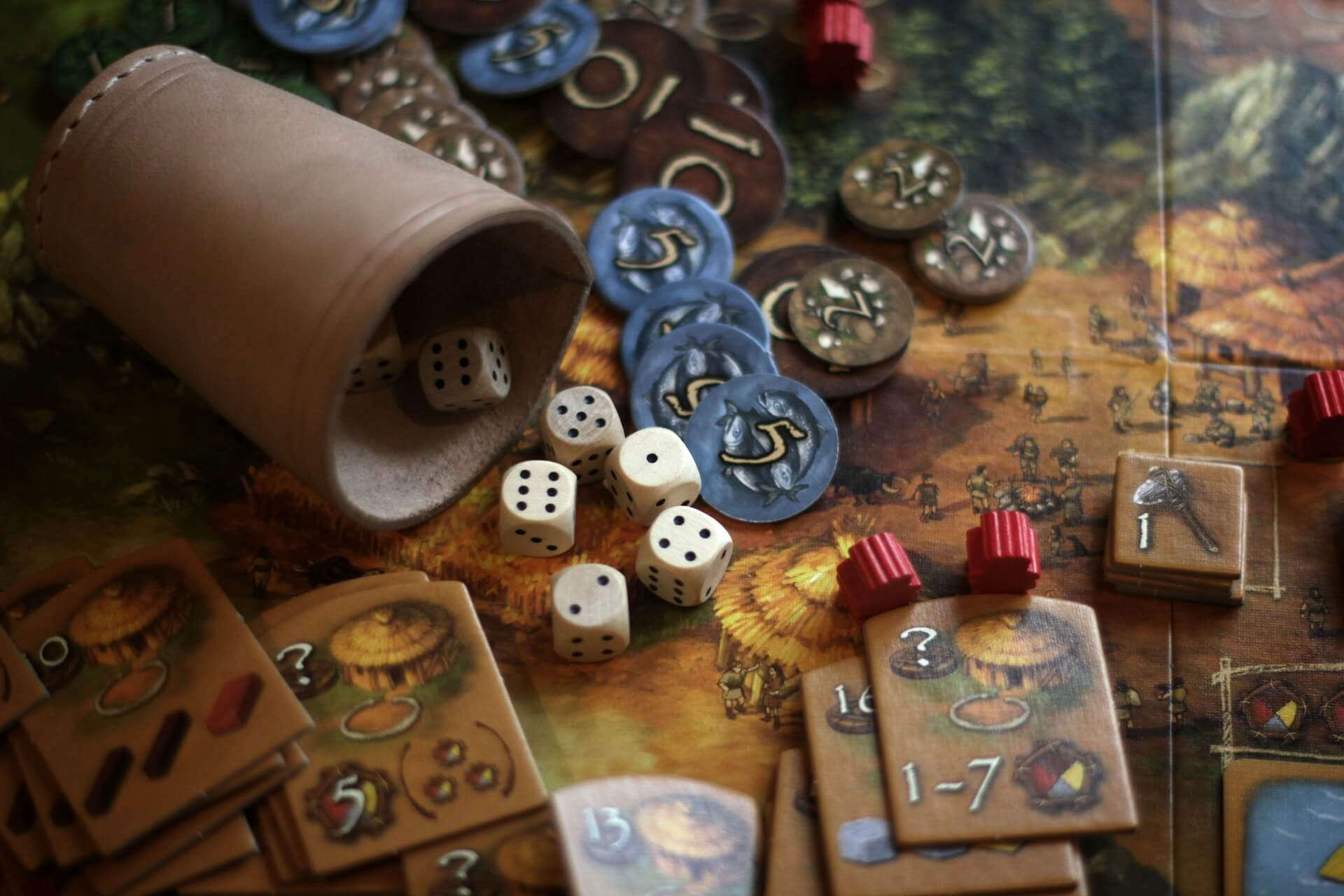
Chronicles of the Realm
1'00Theme tune and background music for tabletop RPGs in a fantasy setting

The Ship Passes
2'21Original scoring of the rescue scene from Cast Away (2000)

The Stunt
3'49Original scoring of Cunning Stunts (2016)

The Forming of the Ring
1'00Original scoring for a scene from 'The Expanse'

Spartans Stand
2'15Original scoring for a scene from '300'

A Confession
1'00Original scoring for a scene from 'My Best Friend's Wedding'
How this differs from a concert commission
The conversation at the start is the same one: the world, the mood, where a cue sits, and what it has to do. What changes is what arrives at the end of it.
- Finished audio rather than notation; WAV or MP3, cut to picture or at the length you need
- Stems for the mix, and loop points if a game engine wants them
- A licence agreed up front: what you may use it for, on what platforms, and for how long
Everything else works the way a concert commission does, including hearing the music while it can still change.
For games and tabletop
A game plays its music for as long as the player stays, so its cues are written to loop. The join is part of the score, and the loop points are set to the sample, so there is no gap or click when it comes round. Music that follows the action comes as cues that hand over to each other: a battle, for example, as an intro, a loop that runs for as long as the fight lasts, and a victory sting.
You get the files in the format your engine or player wants, with the loop points written down so they can be set once and left.
For film and TV
A scene is scored to picture: the music follows the cut, and the cue is delivered at the length of the scene, with stems so the mix can sit under the dialogue.